.png)
Why Does Your Skin Look Dull No Matter What Products You Try?

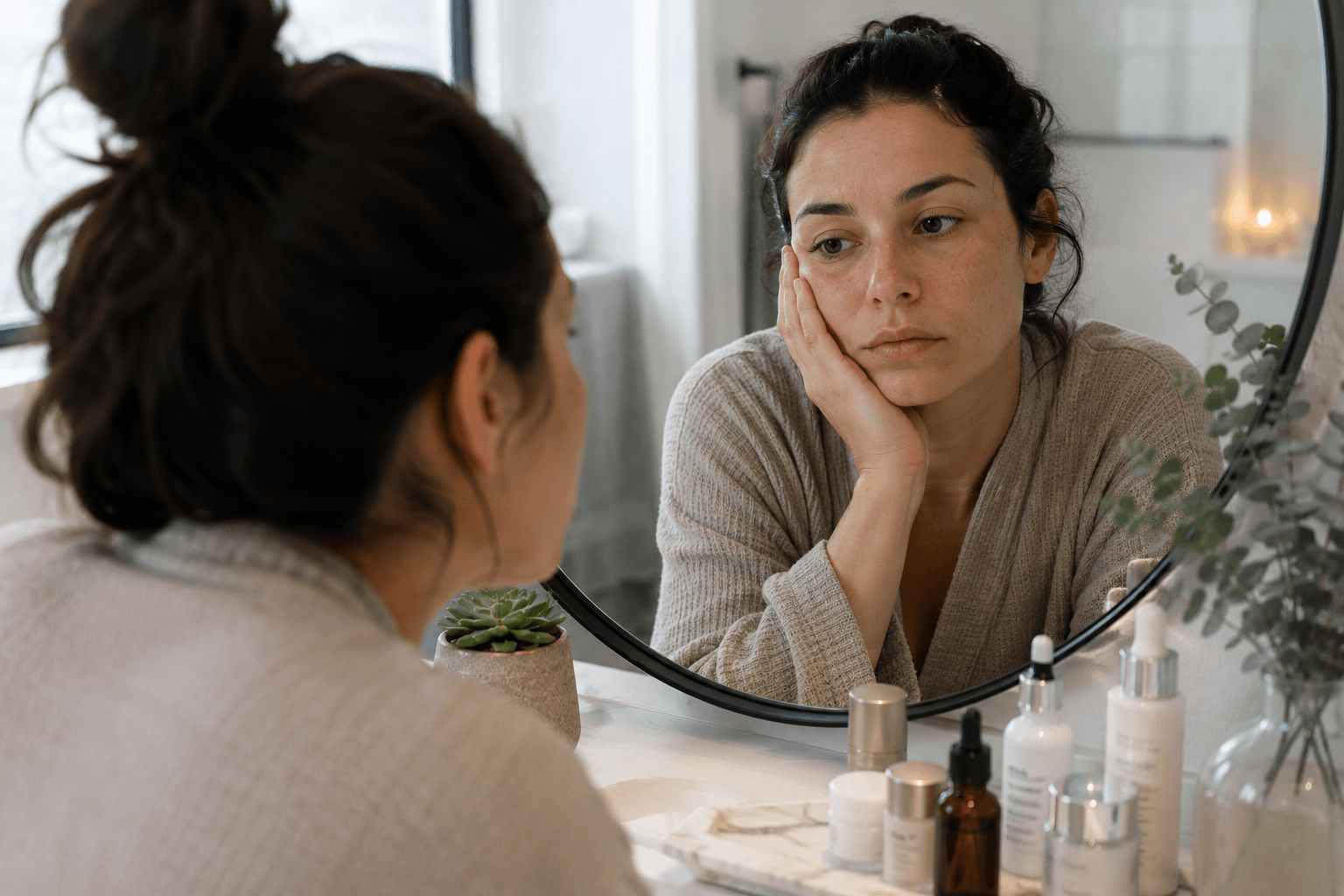
You are cleansing, moisturizing, maybe even layering on serums every night, and your skin still looks tired, flat, and lackluster. If that sounds familiar, you are dealing with one of the most common skin concerns we hear about at Sol Aesthetics, and the frustrating part is that dullness rarely responds to product changes alone. It usually points to something happening at a deeper level than your evening routine can reach.
Living in Chandler, Arizona adds its own layer to this problem. Between the sun exposure, the dry heat, and the dust that comes with desert living, local skin faces a unique set of challenges that can leave it looking dehydrated and congested even when you are doing everything right on paper.
What Actually Causes Skin to Look Dull?
Dullness usually comes down to a buildup of dead skin cells on the surface, combined with dehydration underneath. When dead cells accumulate faster than your skin naturally sheds them, light does not reflect off the surface evenly, which creates that flat, tired appearance. Add dehydration into the mix, and skin can also look thinner, more textured, and less plump than it should.
Is Dehydrated Skin the Same as Dry Skin?
Not exactly, and this distinction matters. Dry skin lacks oil, while dehydrated skin lacks water. You can actually have oily skin that is also dehydrated, which is a common and confusing combination. Arizona's climate is particularly good at pulling moisture from the skin, which means even people who do not consider themselves to have dry skin can still struggle with dehydration.
Can Congested Pores Contribute to Dull Skin?
Yes. When pores become clogged with oil, debris, and dead skin cells, the skin's surface texture becomes uneven, which affects how light reflects off it. This congestion often shows up alongside dullness, particularly in the T zone.
Does Sun Exposure Make Skin Look Duller Over Time?
It does. Cumulative sun exposure thickens the outer layer of dead skin cells as a protective response, and it also breaks down collagen over time. Both of these effects contribute to skin that looks rougher and less radiant, which is a significant concern for anyone living under Arizona's intense sun for most of the year.
Can Stress or Poor Sleep Affect Skin Radiance?
They can. Both stress and inadequate sleep affect circulation and the skin's natural repair processes, which can leave complexion looking flat and fatigued regardless of your skin care routine.
Why Doesn't Exfoliating at Home Fully Solve the Problem?
Most at home exfoliants, whether physical scrubs or chemical exfoliants like glycolic or salicylic acid, only address the very surface layer of the skin. They can help, but they typically cannot extract deeply congested pores, deliver hydration at the level a professional treatment can, or address dullness and dehydration simultaneously in one session. This is often why people feel like they have tried everything without seeing the glow they are after.
How Does a Hydrafacial Address Dullness, Dehydration, and Congestion All at Once?
This is exactly why Hydrafacial treatments have become such a staple in professional skin care. The process uses a patented multi step system that cleanses, exfoliates, extracts, and hydrates the skin in a single treatment, using a vortex technology that suctions out debris from the pores while simultaneously infusing the skin with hydrating and antioxidant rich serums.
Unlike more aggressive resurfacing treatments, a Hydrafacial is gentle enough for most skin types while still delivering visible results immediately after the session. That combination of effectiveness and comfort is a big part of why it remains one of the most requested treatments at Sol Aesthetics.
Our Hydrafacial Glow ritual is designed specifically to target dull, congested, and dehydrated skin, leaving clients with a visibly brighter and smoother complexion right after their appointment. For clients who want to combine deep hydration with facial contouring, our Radiant Ritual fuses Hydrafacial with gua sha techniques for an even more sculpted, lifted result.
If dullness and skin concerns extend beyond the face, our Full Body Refresh applies the same hydrating, exfoliating technology to the body, which is especially popular among clients dealing with rough or congested skin on the arms, legs, or back.
What Happens During a Hydrafacial Appointment?
A typical session starts with a gentle cleanse and exfoliation to lift away dead skin cells, followed by a mild acid peel to loosen debris within the pores without any downtime or irritation. From there, painless suction extraction removes buildup from the pores, and the skin is finished with a hydrating infusion of serums tailored to your specific concerns, whether that is hydration, brightening, or calming inflammation.
Most clients notice an immediate difference in skin texture and radiance right after their appointment, which makes it a popular choice before events, though the benefits extend well beyond a one time glow when done consistently.
How Often Should You Get a Hydrafacial for Lasting Results?
Skin cell turnover happens on roughly a monthly cycle, which is why most professionals recommend a Hydrafacial every four to six weeks for optimal results. This cadence keeps pores clear, supports consistent hydration, and helps maintain that brighter, more even complexion over time rather than only seeing results in short bursts.
Can You Maintain Hydrafacial Results at Home?
Yes, to an extent. Using a gentle cleanser, applying a broad spectrum sunscreen daily, which is essential in Arizona's climate, and staying consistent with hydrating serums can all help extend your results between visits. That said, the deep extraction and professional grade hydration delivered during a Hydrafacial is difficult to replicate with over the counter products alone, which is why most clients treat their sessions as an ongoing part of their skin care routine rather than an occasional treat.
Consider This Your Skin's Reset Button
Dull, dehydrated, congested skin is incredibly common, especially in a climate like Chandler's, but it does not have to be permanent. A Hydrafacial offers a way to address multiple concerns in a single, comfortable session, leaving your skin looking brighter and feeling healthier without any downtime.
If you are ready to see what a proper reset can do for your complexion, explore our full range of rituals or visit our contact page to book your appointment at our Chandler, Arizona studio.
Updated August 2026
Frequently Asked Questions
What does a Hydrafacial actually do for dull skin? A Hydrafacial cleanses, exfoliates, extracts debris from pores, and infuses the skin with hydrating serums in one session, which helps restore radiance and smooth texture immediately.
How is a Hydrafacial different from a regular facial? A Hydrafacial uses patented vortex technology to combine cleansing, extraction, and hydration in a more precise and consistent way than a traditional manual facial.
Is a Hydrafacial good for sensitive or dehydrated skin? Yes. It is generally gentle enough for most skin types, including sensitive and dehydrated skin, since the treatment can be customized with different serums based on your specific needs.
How often should I get a Hydrafacial in Chandler's climate? Most estheticians recommend a Hydrafacial every four to six weeks, though clients in dry, sunny climates like Chandler sometimes benefit from slightly more frequent sessions to combat dehydration.
Will I see results right after one Hydrafacial session? Most clients notice visibly brighter, smoother skin immediately after their appointment, though consistent sessions provide the most lasting improvement in texture and tone.